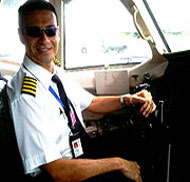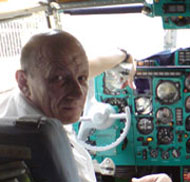



Recent Deliveries
Always in motion. Transfering aircraft of any size around the globe. Door-to-door service.
Check out our recent projects:
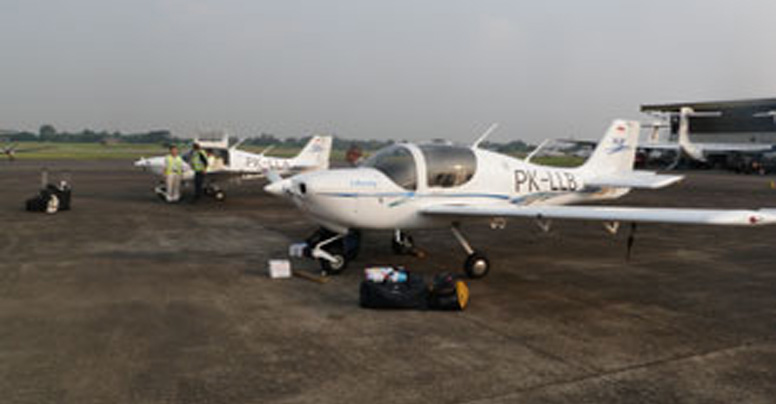
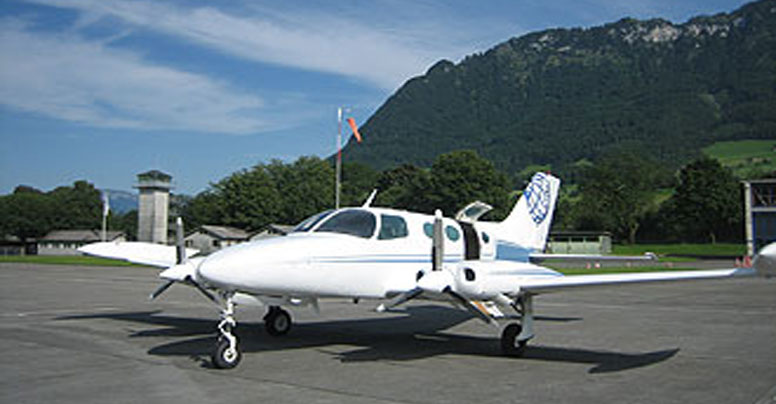
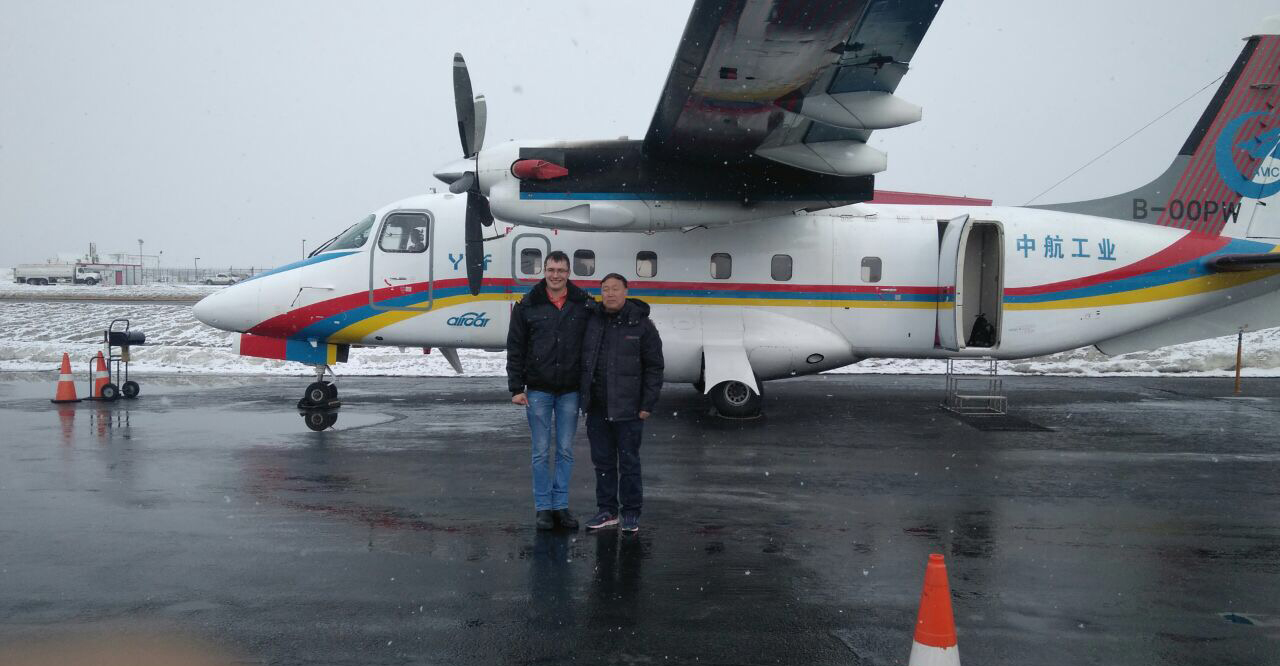
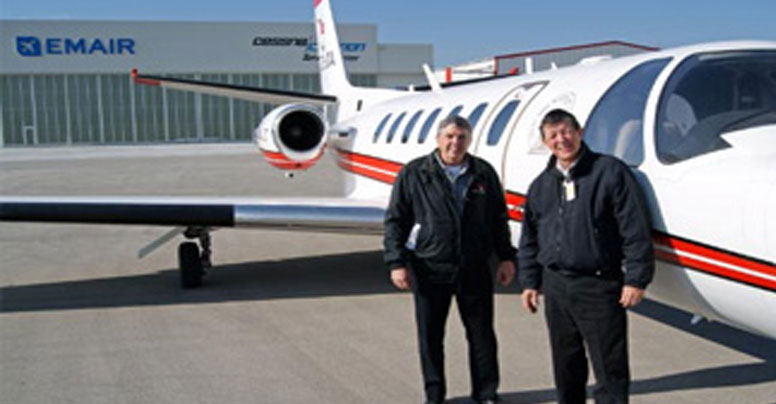
Get your plane in the air. Contact us for a free cost estimate
Who we are
What we do
Aircraft transfer
Our dedicated aviation professionals are able to deliver any airplane from any location to any location in the World. As light as Cessna 152 and as large as B747, as short as LGA/PHL or as long as LAX/CGK - we have qualified, experienced and type-rated pilots to take over any project, small or large. For the first time aircraft buyers, some of our flight instructors will come for a ride as safety pilots and provide en route instruction at no additional cost.
Pre-buy inspection & modifications
We are taking safety very seriously over here. And that goes to the safety of our clients and pilots alike. So we offer combined pre-buy mechanical inspection for most aircaft before we ferry "across the pond". Our qualified aircraft mechanics will conduct required inspections and give our clients second opinion for a complete peace of mind. And of course, since most light aircraft have a very limited range, we have to install ferry tanks and apply for modification permits in order to make some trans-oceanic crossing.
Customs clearance & registration
We specialize in customs clearance and cost-effective aircraft registration schemes for most countries in the EU and SE Asia. Our consultants will discuss with you the cheapest way to import and register your aircraft, depending on the intended usage and region of operation. In most cases, we are able to save our clients up to 40% on importation cost by re-registering aircaft on a different private owner but keeping it under the FAA registration using a completely legal trustee scheme.
What People Say

Reference regarding Robert Weaver, pilot at GAF
First things first I would like to thank Robert and SkyFerry on assisting on the 15 Ferry flights that they have performed for us. We have used SkyFerry on many occasions with all sorts of aircraft from one of our Cessna 150's to repositioning a Beech King Air from one side of the globe to the other. They are accurate on their quotes and they are realistic on their delivery times. Their pilots are professional and are able to think outside the box – plus they have a good sense of humour which gives us confidence with the pilo

-

Fast Ferry Price Estimates
Our team is targeting to respond within 24 hours to all ferry price inquries from our clients. Fill our a request form for your delivery estimate.
-

Hi-tech navigation Equipment
Our ferry pilots use the latest navigation and tracking equipment with live flight updates. Clients are able to track ferry progress along the route.
-

Global Pilot Network
Our pilots are located World-wide: qualified and experienced commercial aviators from US, EU, Russia, China, Singapore, Indonesia, Malaysia, India and Africa are ready to start your flight on a short notice.